 ภาษาอังกฤษ
 中文简体
中文简体
ความแม่นยำและความสามารถรอบด้านของเครื่องพิมพ์ Rotogravure
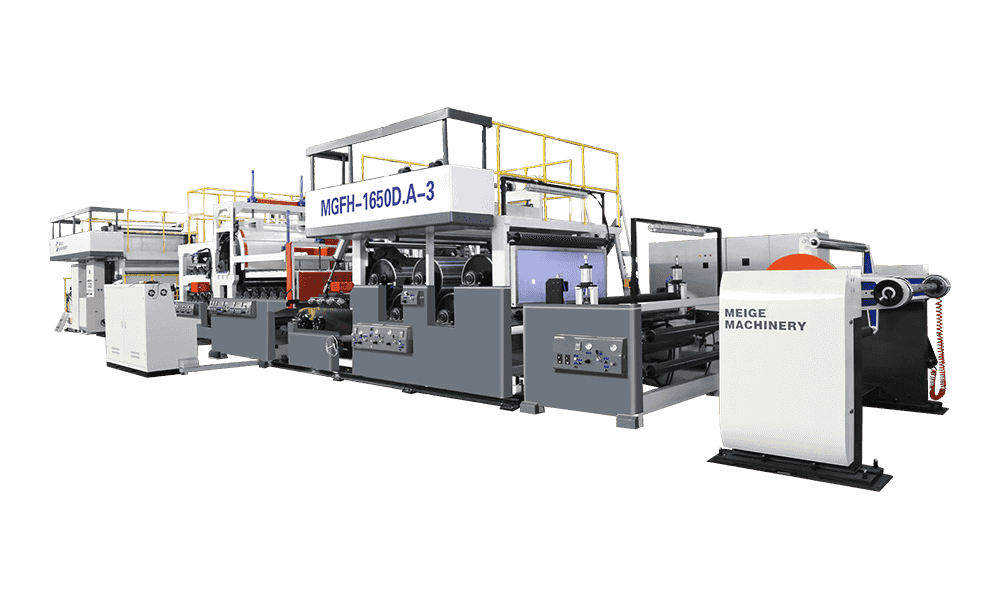
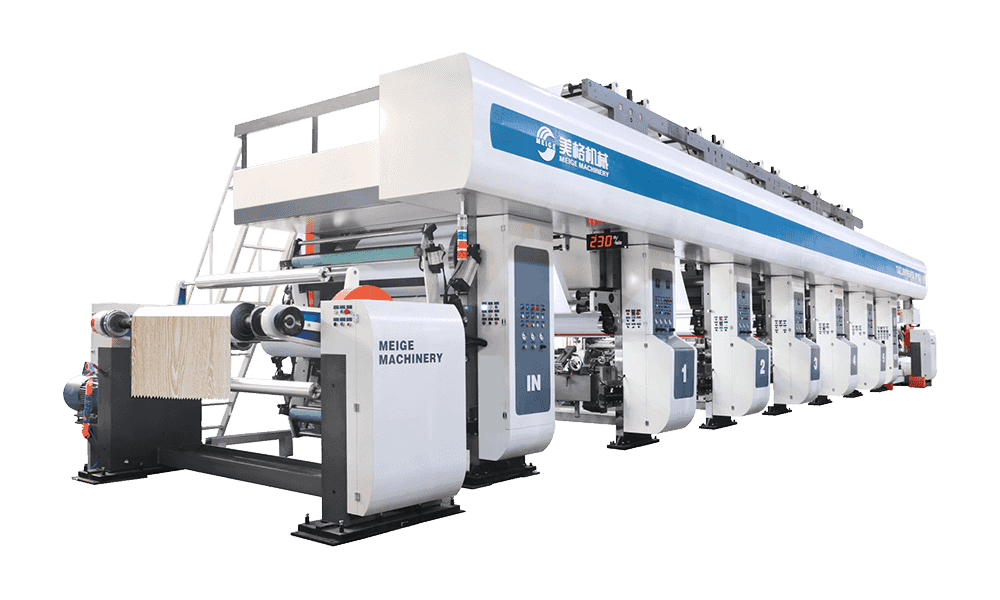
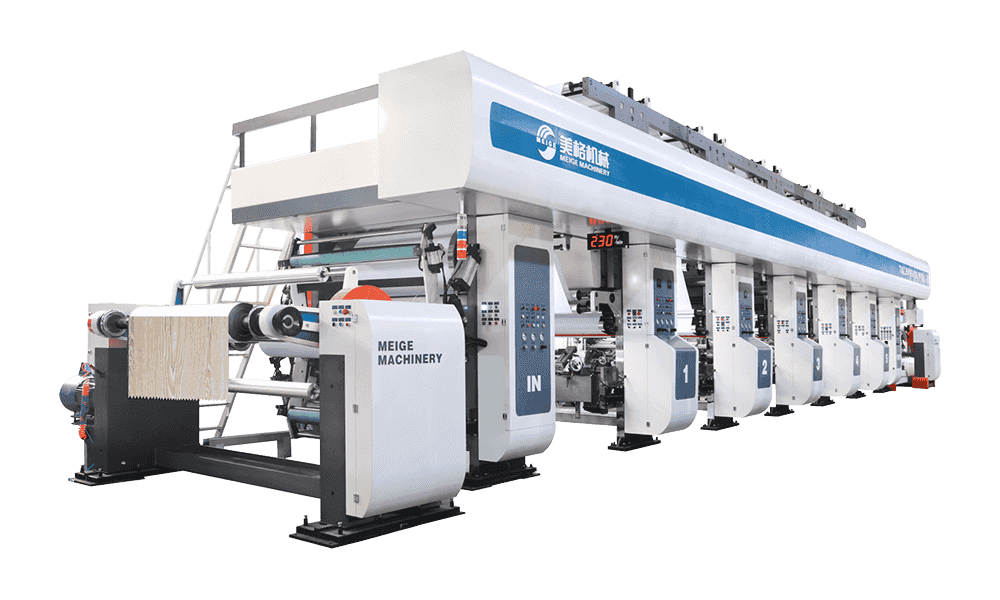
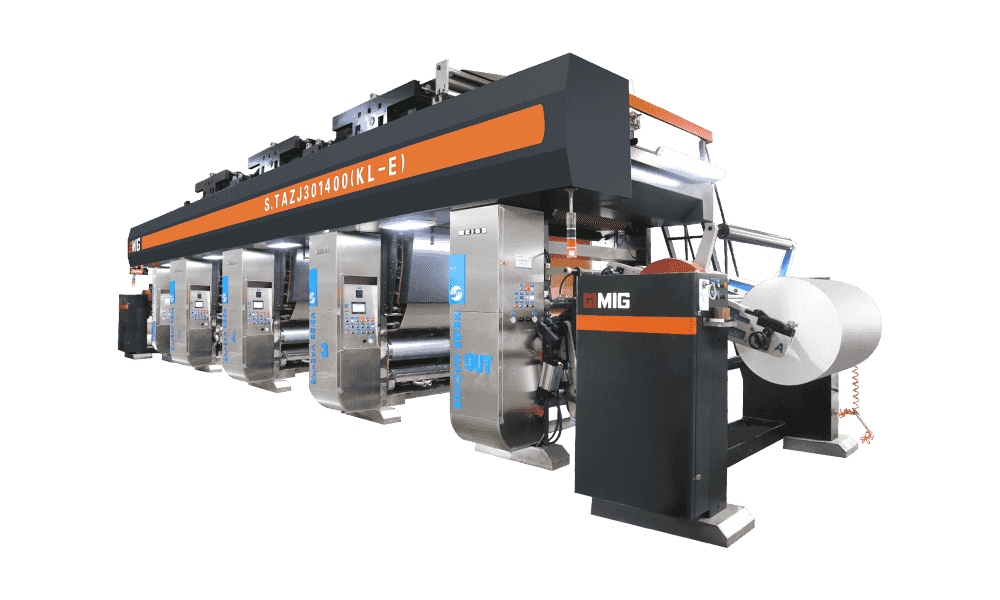
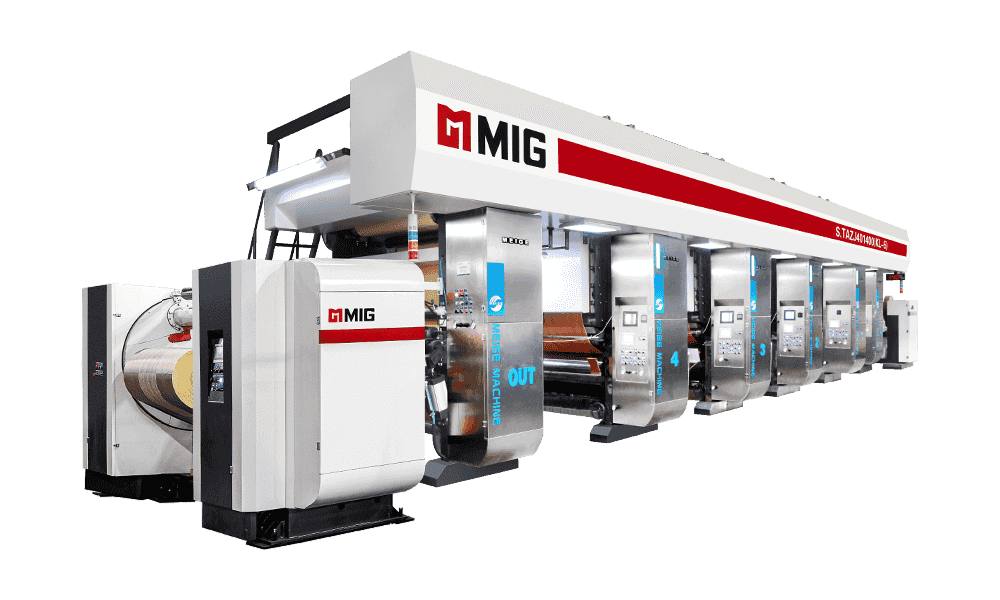
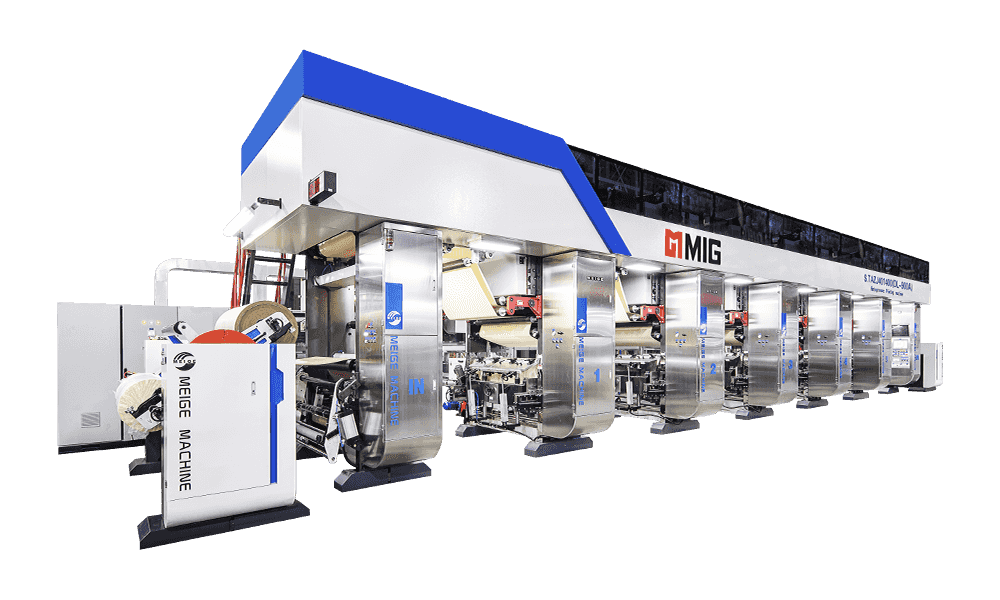
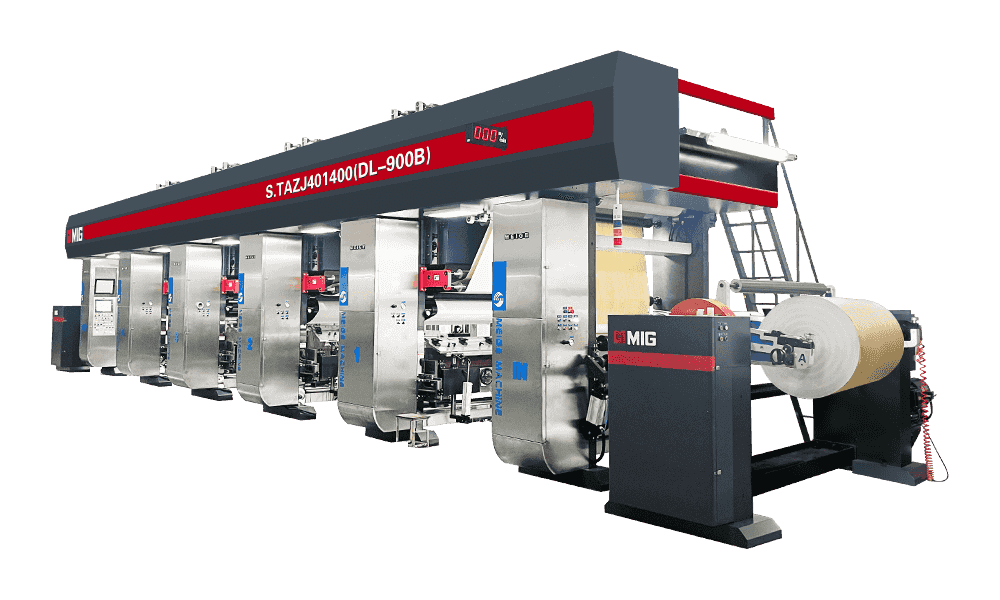
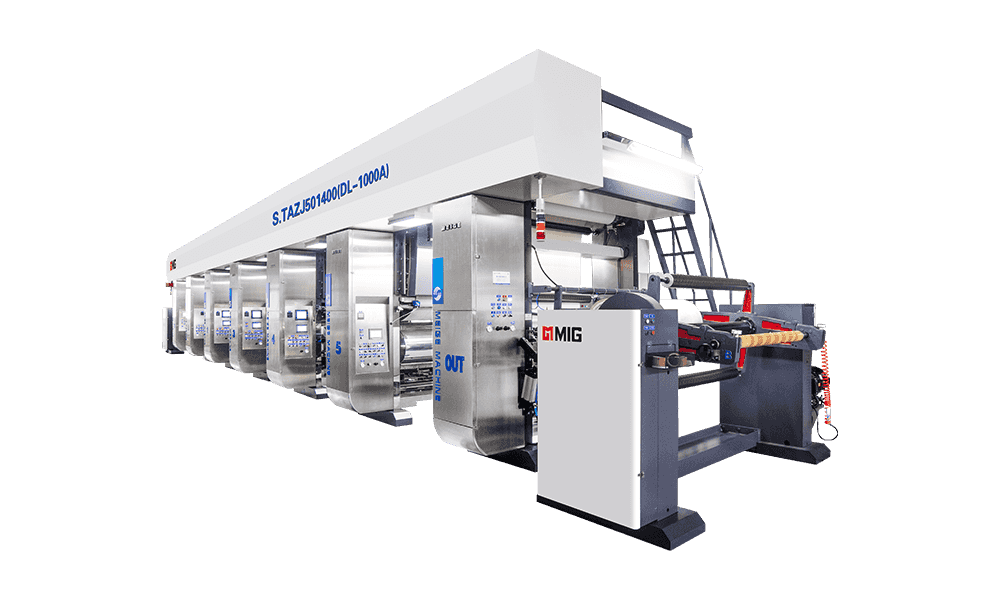
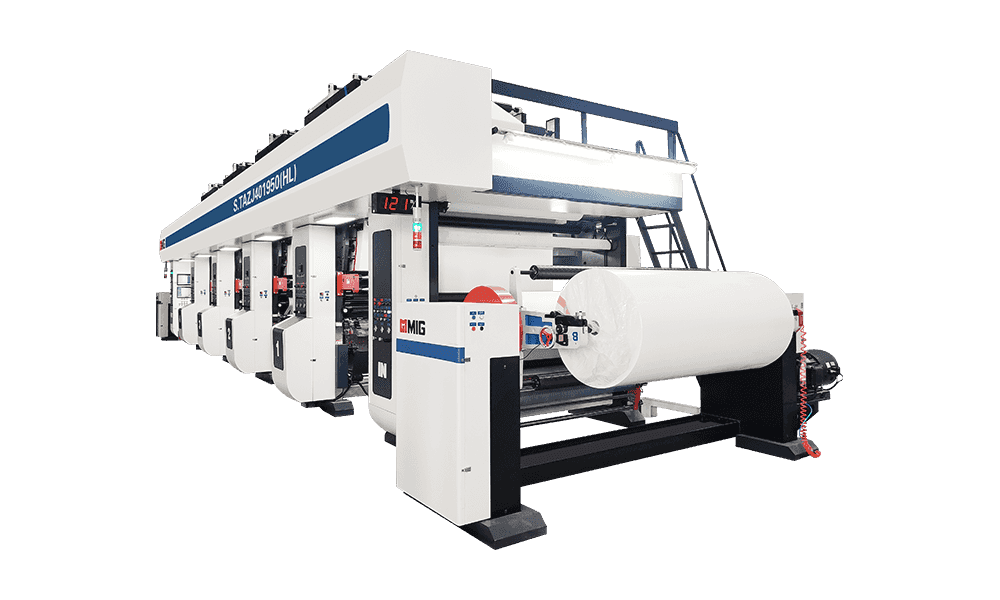
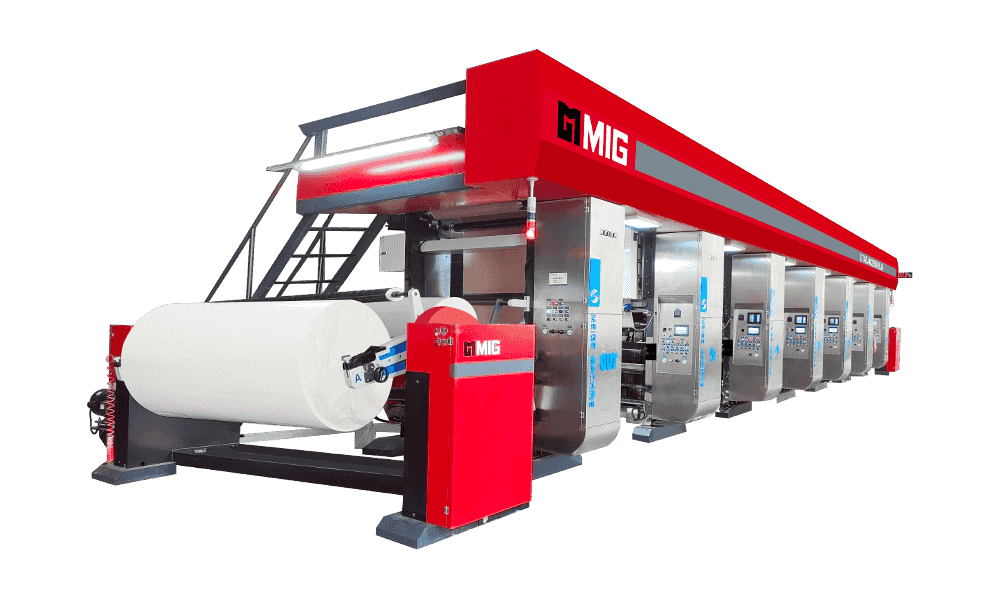
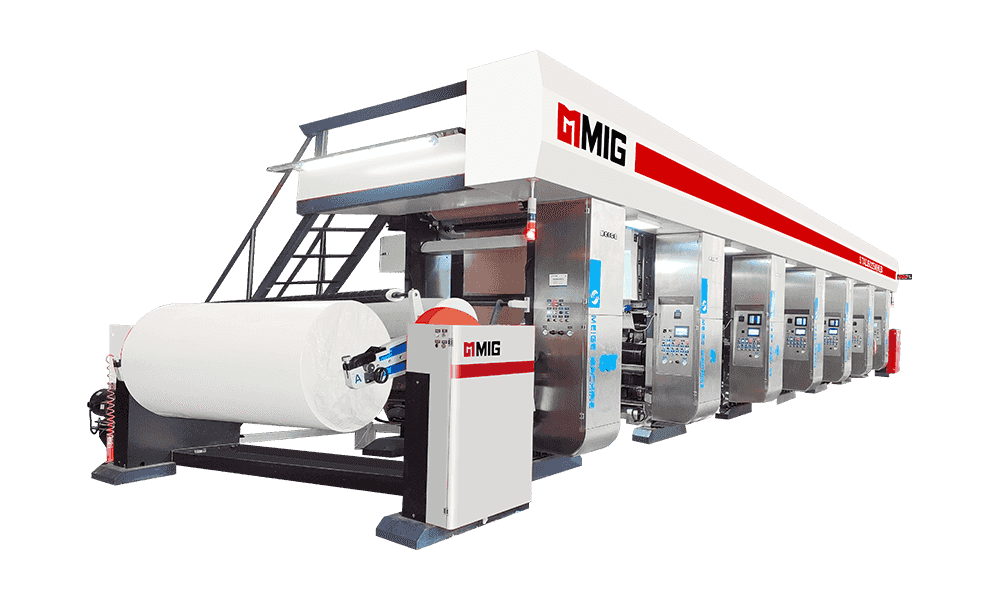
Rotogravure, often simply called gravure, is an intaglio printing technique that has maintained a crucial position in the printing industry due to its unparalleled quality , speed , and consistency in long print runs. At the heart of this process are the rotogravure printing machines , complex industrial systems engineered for high-volume production, especially of flexible packaging, publication printing, and decorative surfaces.
How Rotogravure Printing Works
The fundamental principle of rotogravure relies on an engraved cylinder rather than a plate. These cylinders, typically made of steel with a copper coating and sometimes chrome-plated for durability, feature millions of microscopic cells recessed below the surface. These cells hold the ink.
The operational sequence within rotogravure printing machines involves several key steps:
- Inking: The entire cylinder is immersed in or flooded with a low-viscosity ink.
- Doctor Blade: A sharp, precisely set blade, known as the doctor blade , wipes the excess ink from the non-recessed (non-image) areas, leaving the ink only within the tiny engraved cells.
- Transfer: The substrate (paper, film, foil, etc.) is pressed against the engraved cylinder by an impression roller. This pressure, combined with the capillary action, pulls the ink out of the cells and onto the substrate.
- Drying: Due to the low viscosity of the ink and the high speed of the process, the printed web immediately enters a drying unit before proceeding to the next color unit or the final process stage. A typical rotogravure printing machine features a separate printing unit and drying unit for each color in the design (e.g., Cyan, Magenta, Yellow, Black, plus spot colors).
Key Advantages and Applications
The unique cylinder-based system of rotogravure offers distinct advantages that differentiate it from flexography and offset lithography:
- Superior Print Quality: The variable depth and size of the engraved cells allow for a remarkable range of ink film thickness on the substrate, resulting in excellent smoothness , tone control , and the ability to reproduce subtle gradations and photorealistic imagery.
- High Speed and Efficiency: Rotogravure presses can operate at exceptionally high speeds, making them the most cost-effective choice for extremely long print runs where the high initial cost of cylinder engraving is amortized over millions of impressions.
- Substrate Versatility: They handle a broad array of materials, including thin plastic films (BOPP, PET, PE), aluminum foil, and specialty papers, making them indispensable for the flexible packaging industry.
- Durability of Cylinders: The chrome-plated cylinders last for millions of impressions without significant degradation, ensuring consistent color and image quality across the entire print run.
Dominant Applications
- Flexible Packaging: This is arguably the largest market for rotogravure printing machines , producing wrappers, pouches, and bags for food, snacks, and consumer goods where high-impact graphics are essential.
- Publication: High-volume magazines, catalogs, and advertising inserts often use gravure due to the speed and consistent quality.
- Decorative Printing: Wallpaper, vinyl flooring, and decorative laminates for furniture are printed using gravure for their seamless, high-detail patterns and color depth.
Modern Innovations in Rotogravure Technology
Contemporary rotogravure printing machines are vastly more sophisticated than their predecessors. Modern advancements focus on automation, sustainability, and quality control:
- Electronic Register Control: Sophisticated camera and sensor systems automatically monitor and adjust the alignment (register) between color units in real-time, ensuring perfect image overlap at high speeds.
- Shaftless Technology: Many new machines utilize individual servomotors to drive each printing unit, eliminating mechanical drive shafts. This reduces vibration, simplifies setup, and allows for greater press modularity.
- Environmentally Friendly Solutions: While historically associated with solvent-based inks, the industry is seeing growth in water-based gravure inks and energy-efficient drying systems (e.g., heat recovery) to reduce Volatile Organic Compound (VOC) emissions and energy consumption, aligning the technology with stricter environmental standards.
- Automated Cylinder Handling: Robotic systems are sometimes integrated to streamline the time-consuming process of changing out the heavy engraved cylinders (makeready), significantly boosting operational efficiency.
The enduring technological relevance of rotogravure printing machines ensures their continued role as a pillar of high-volume, high-quality printing, particularly where the visual impact of packaging and materials is paramount to the product’s success.
สินค้าแนะนำ
หลากหลายรุ่น เพื่อตอบสนองความต้องการการพัฒนาของภูมิภาคต่างๆ ทั่วโลก
ส่งข้อความถึงเราตอนนี้!
สินค้า
ติดต่อเรา
- Phone: +86-13067738802 (Manager Hua)
- Tel: +86-0571-61071715
- Fax: +86-0571-61071706
- Mail: [email protected]
- Add: No.32 Wujiatou, Qingke Village, Jincheng Street, Lin'an District, Hangzhou City, Zhejiang Province

Copyright © เจ้อเจียง Meige เครื่องจักร Co., Ltd. All rights reserved.
 ความเป็นส่วนตัว